On June 18, 2026, the National Geographic Museum of Exploration officially opened its doors in Washington, D.C.
Among many other stories, the museum tells a whole collection of underwater adventures—from Robert Ballard’s discovery of the Titanic to today’s cutting-edge ocean exploration.
The opening ceremony was led by National Geographic Society CEO Jill Tiefenthaler, who officially cut the ribbon.
Alongside remarkable artifacts—including the Rolex Deepsea watch worn by James Cameron during his expeditions to both the Titanic and the bottom of the Mariana Trench—visitors can also see a DUI TLS 350 dry suit belonging to National Geographic Explorer Bogdana Vashchenko.
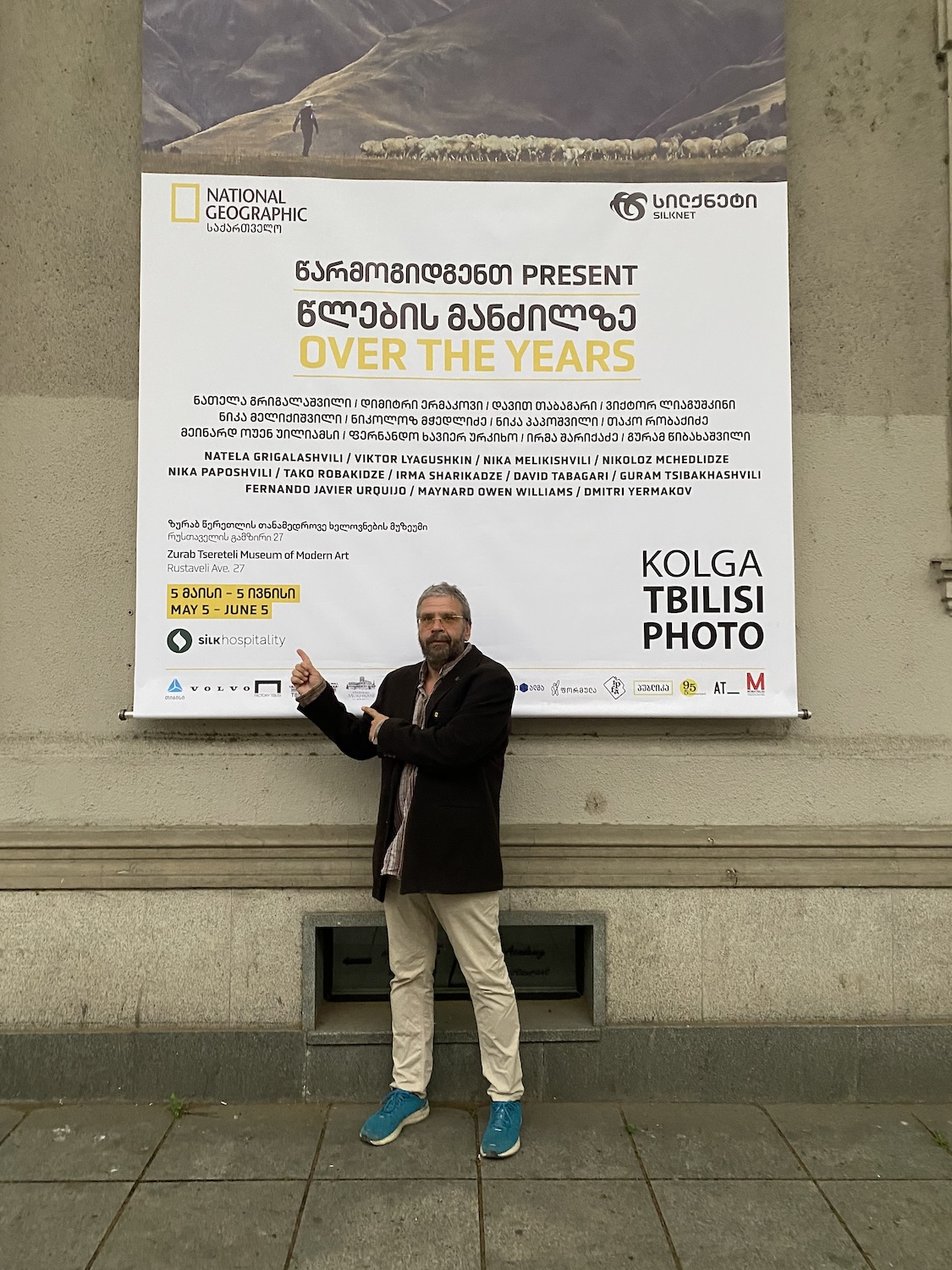
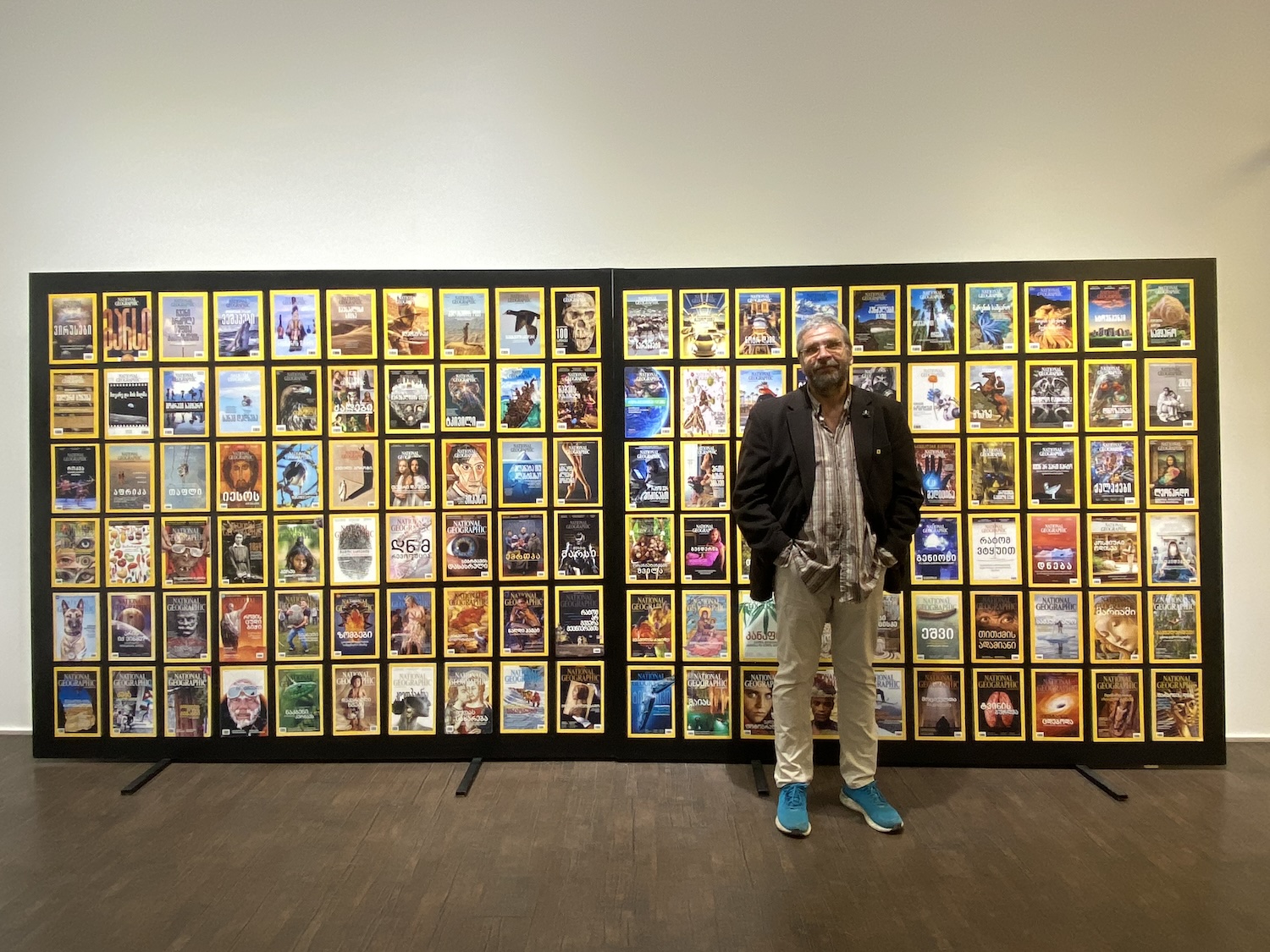
National Geographic Georgia’s “Through the Years” exhibition opened at the Tbilisi Museum of Modern Art (MoMA) on May 5, bringing together works by Georgian and international photographers whose images have helped tell the story of Georgia over the years.
Among the featured authors are National Geographic Explorers Tako Robakidze, Natela Grigalashvili, and National Geographic photographer Viktor Lyagushkin.
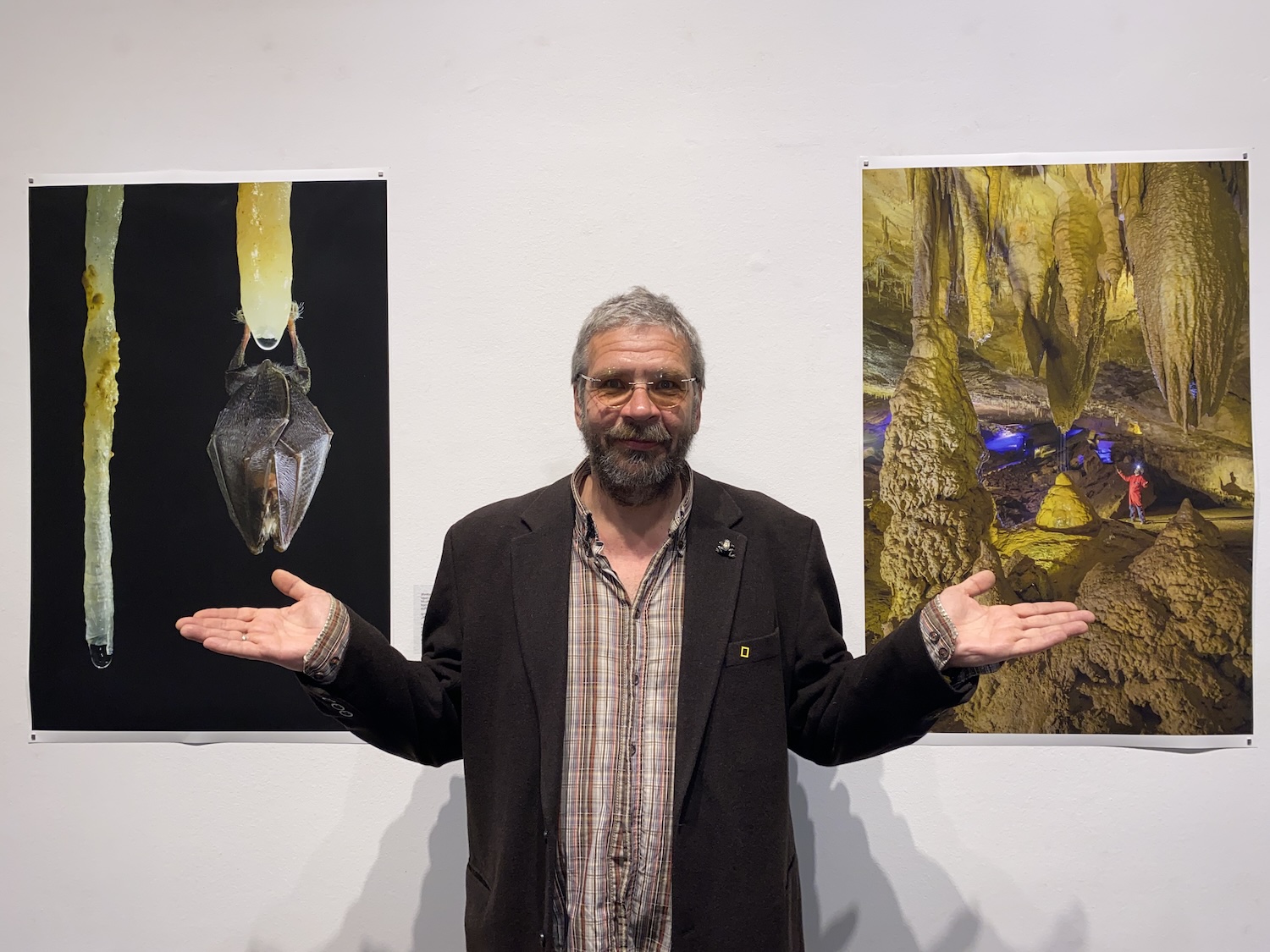
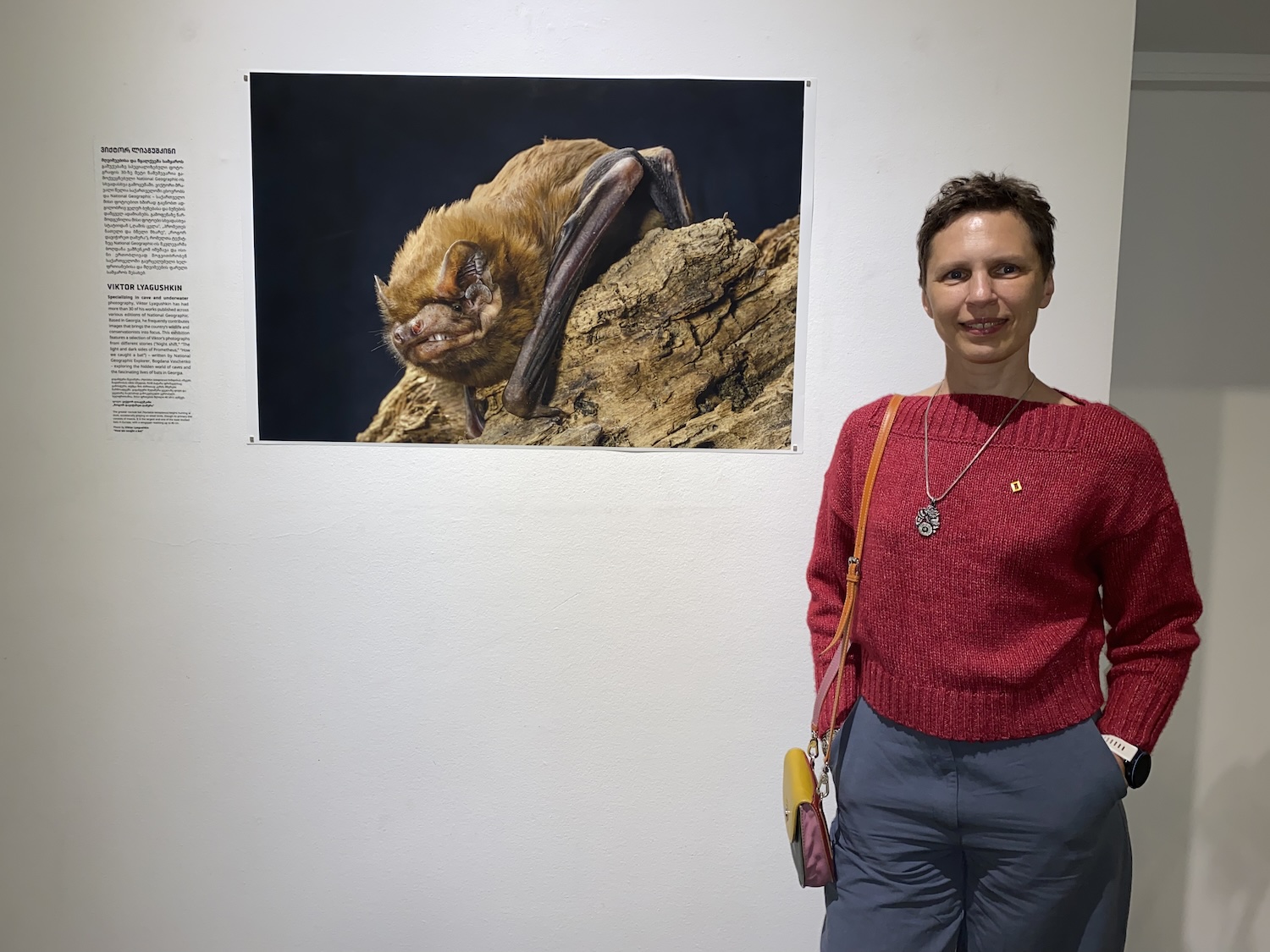
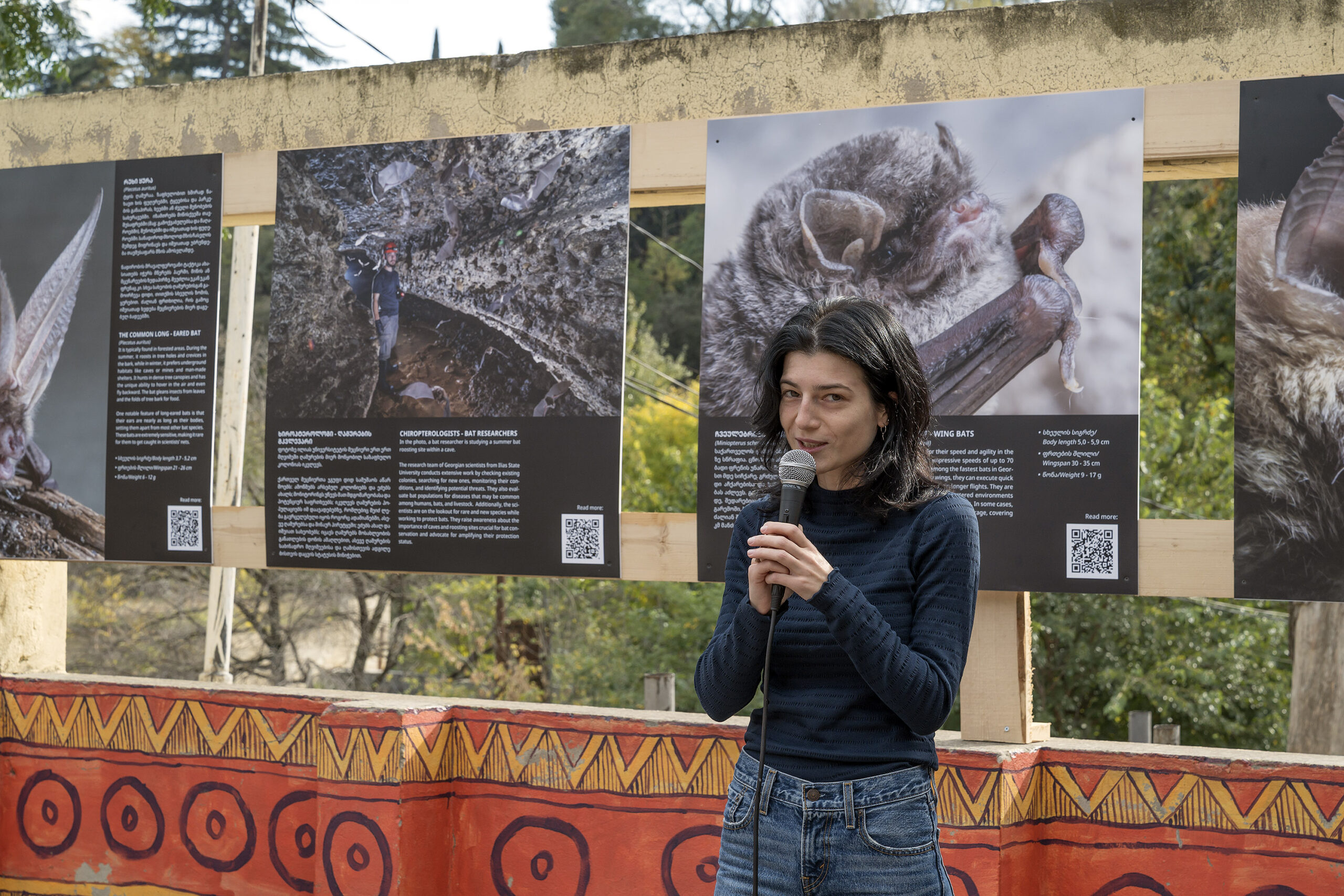
The exhibition includes photographs from Lyagushkin’s long-term project dedicated to the bats of Georgia. The project was initiated and led by National Geographic Explorer Bogdana Vashchenko with support from the National Geographic Society, combining scientific research, visual storytelling, and conservation.
Created over several years in collaboration with Georgian scientists, the project explores the hidden world of Georgia’s bats while encouraging a fresh look at these often misunderstood animals.
We are delighted to see this work become part of an exhibition celebrating some of Georgia’s finest contemporary photographers.
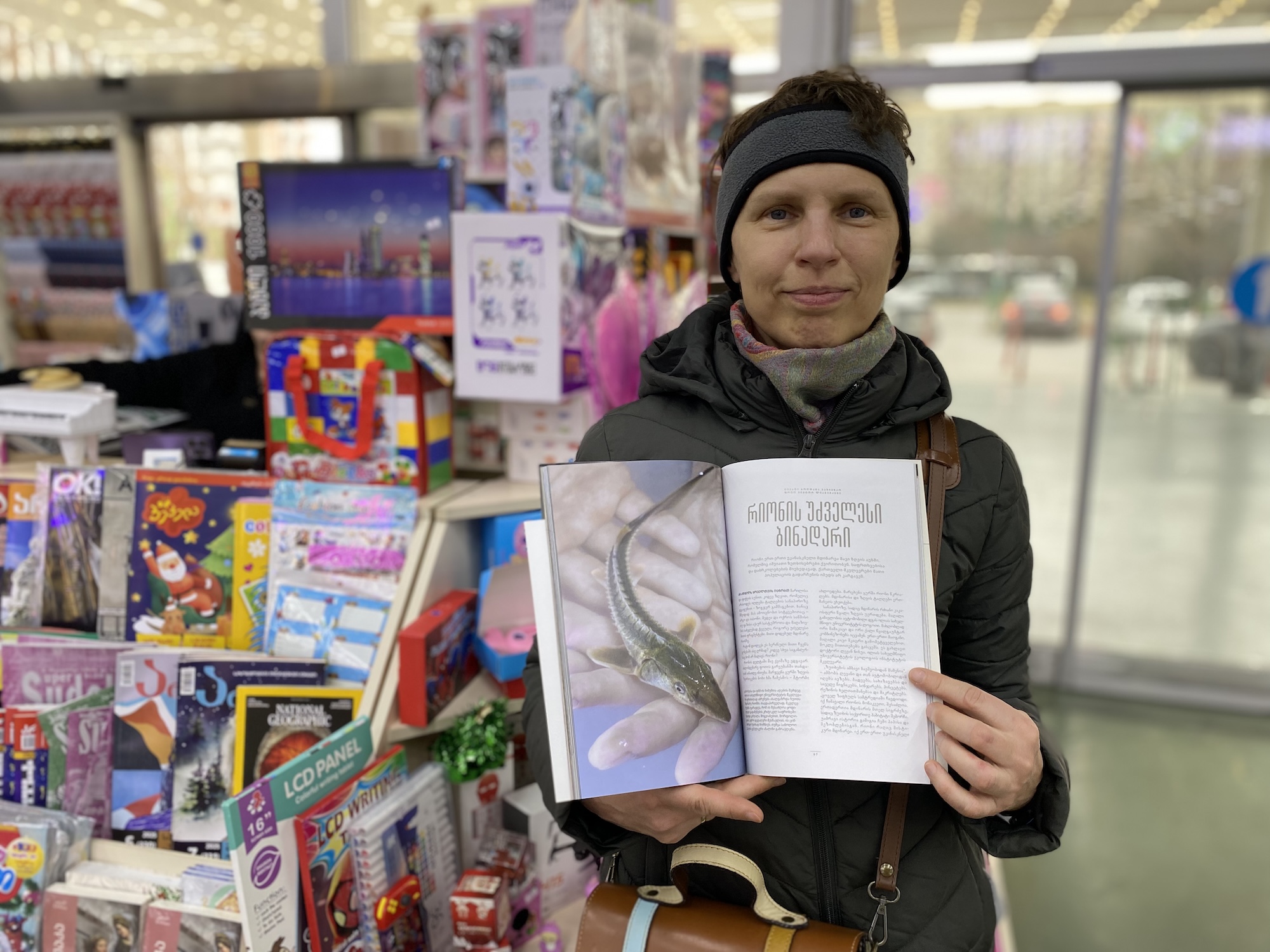
The December issue of National Geographic Georgia is out, and it includes my story on the Rioni River and its sturgeon.
This work grew out of field research carried out alongside scientists from Ilia State University and WWF Caucasus. I followed nighttime monitoring surveys at the river mouth, spoke with researchers and fishermen, and spent time tracing the sturgeon not only as a species, but as part of the river’s long cultural memory.
The Rioni is one of the last rivers in the Black Sea basin where sturgeon still spawn in the wild. Their disappearance would not only mark an ecological loss, but the fading of a relationship between people and river that has lasted for centuries.
This story is an attempt to hold science, observation, and lived experience in a single narrative frame — and to listen closely to what the river is still telling us.
The printed magazine arrived today. Holding it felt like a New Year gift: a reminder that some stories move slowly, like rivers, and matter precisely because of that.
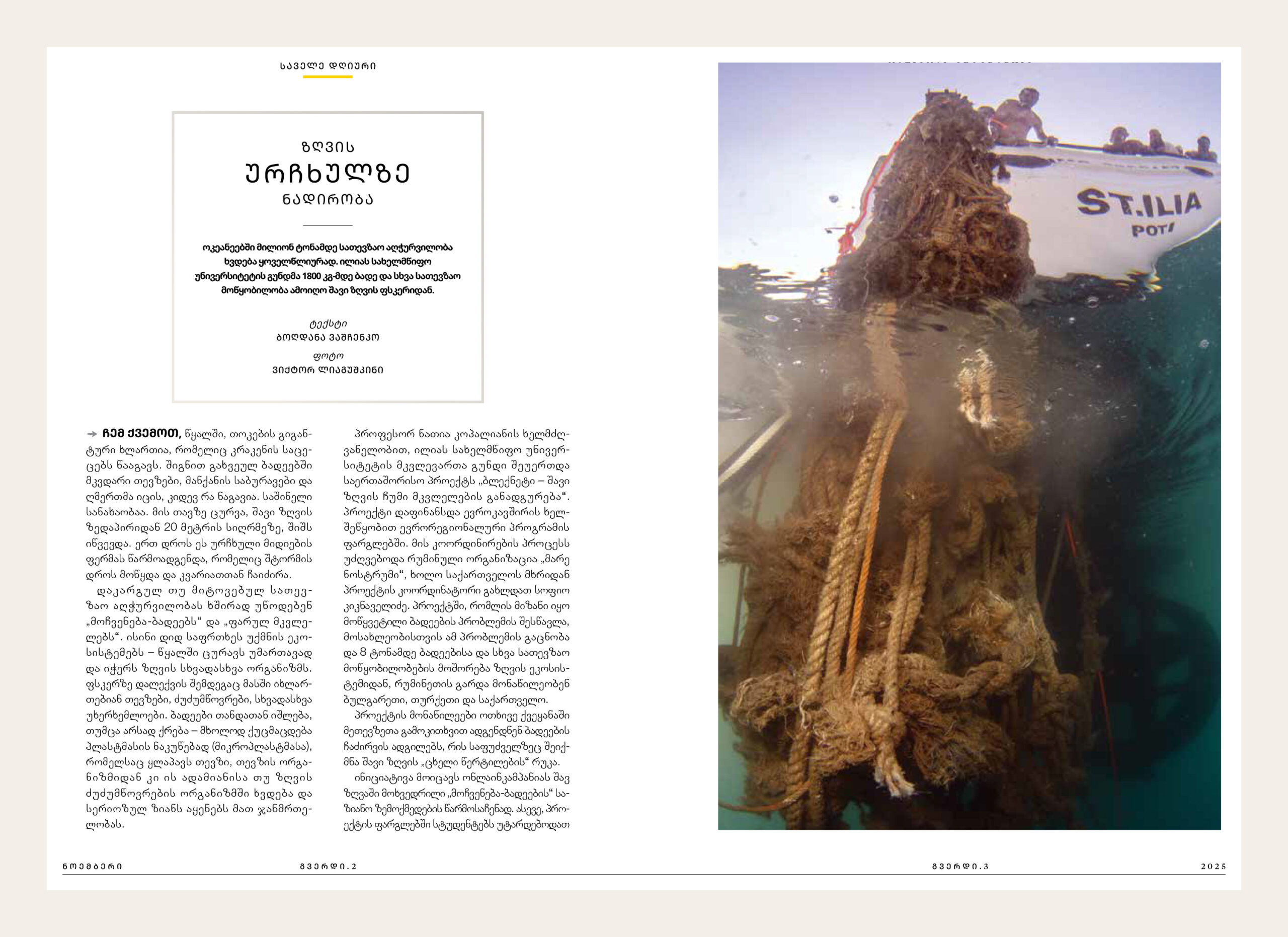
I’m delighted to share that my new reportage, “Rope Monster,” has been published in the December issue of National Geographic Magazine – Georgia.
The story follows the marine research team from Ilia State University as they confront one of the ocean’s most insidious threats: ghost nets — abandoned fishing gear that continues to kill marine life long after it is lost. During this project, the team recovered more than 1,800 kg of nets and debris from the Black Sea seafloor.
In the piece, I descend with the divers to witness what I describe as a “rope monster” — a massive tangle of nets, ropes, tires, and plastic, stretching across the seabed like a dormant leviathan. Once an abandoned mussel farm near Sarpi, it has slowly become a deadly trap for fish, birds, and mammals.
The reportage traces both the science and the symbolism of this encounter: the ecological danger, the human responsibility, and the quiet heroism of researchers who choose to face the problem directly, meter by meter, rope by rope.
Special thanks to Prof. Natia Kopaliani, Zurab Gurielidze, and the entire Ilia State University marine research team for their dedication — and for allowing me to witness (and participate in) their battle with the “silent killers” lurking beneath the Black Sea.
You can read the full story and enjoy stunning photography by Viktor Lyagushkin in the December issue of National Geographic Georgia.
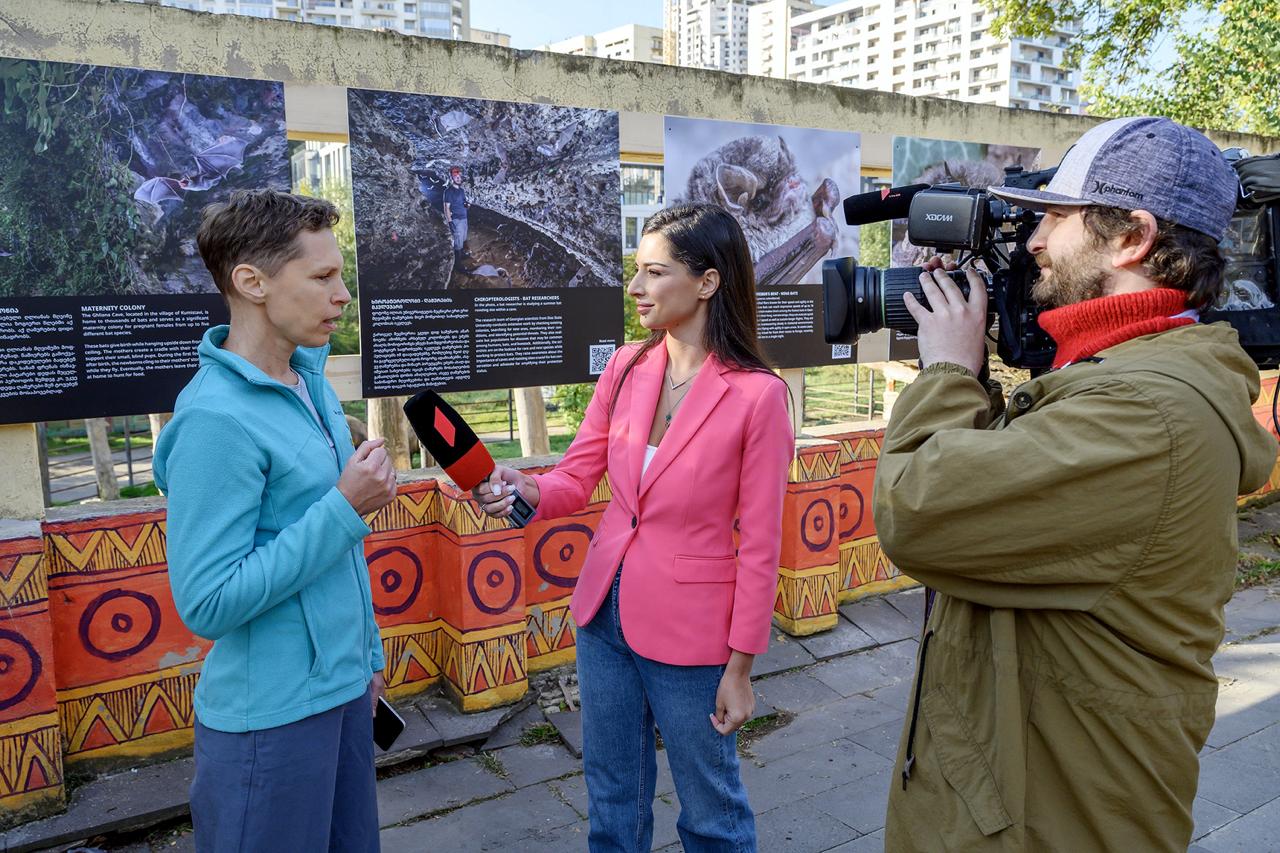
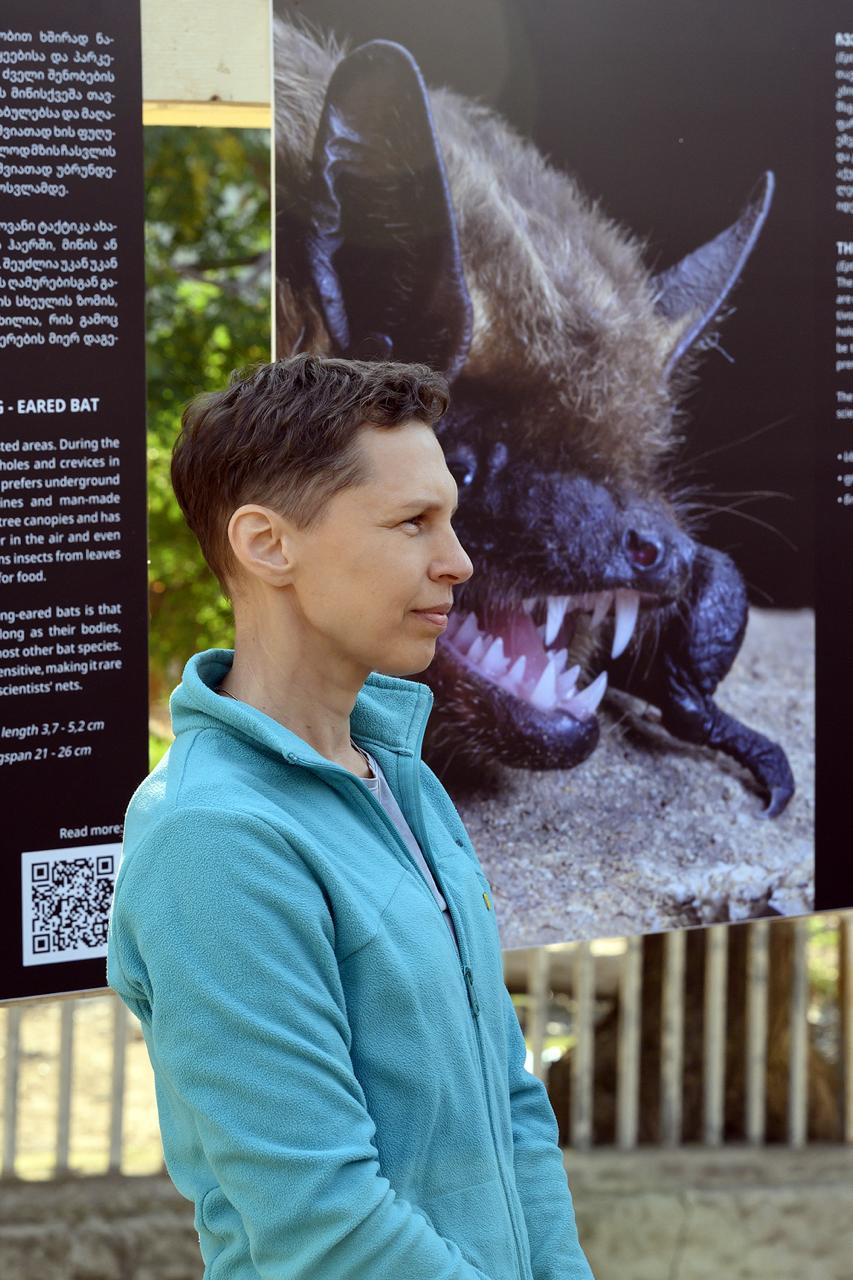
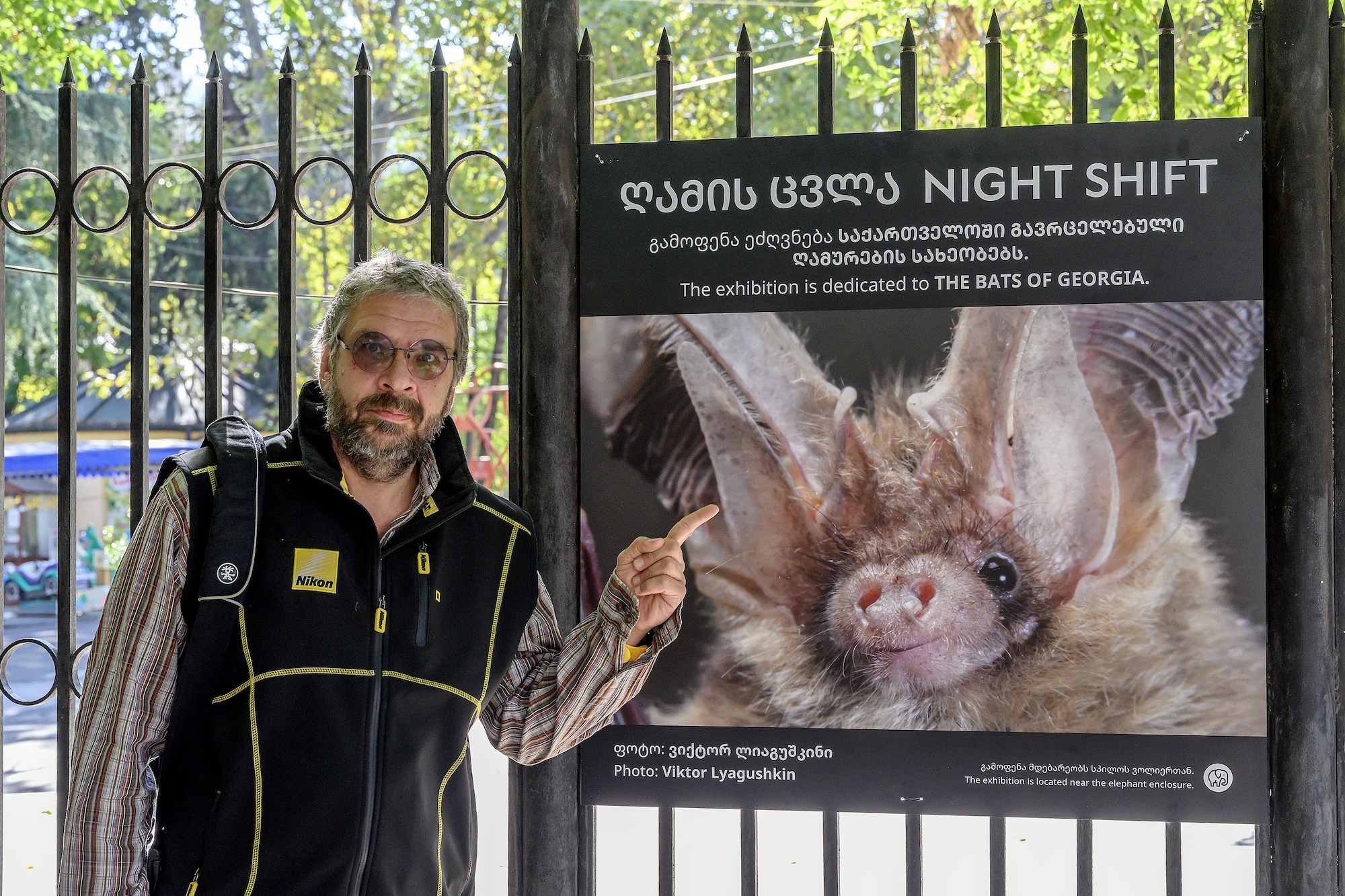
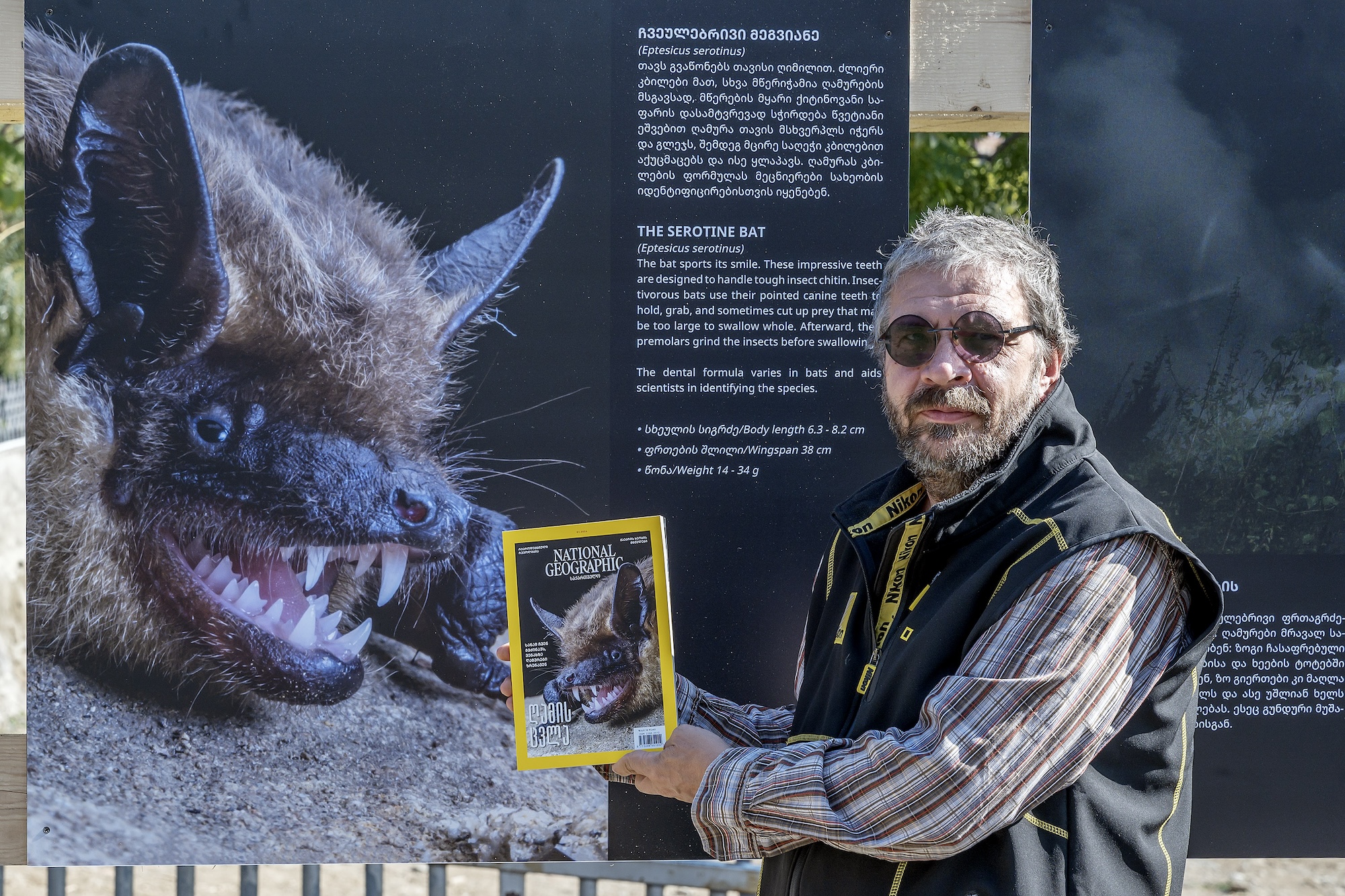
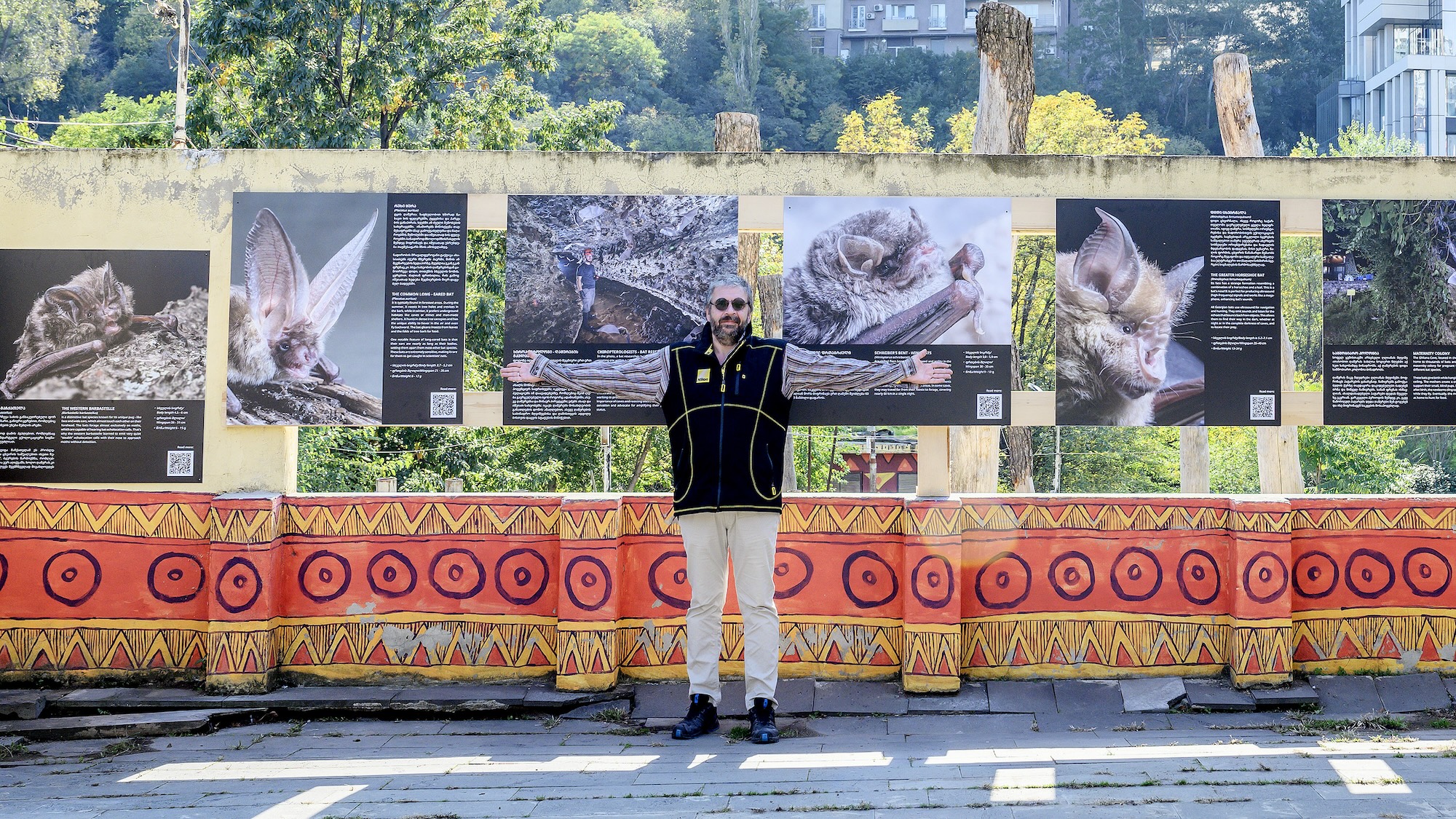
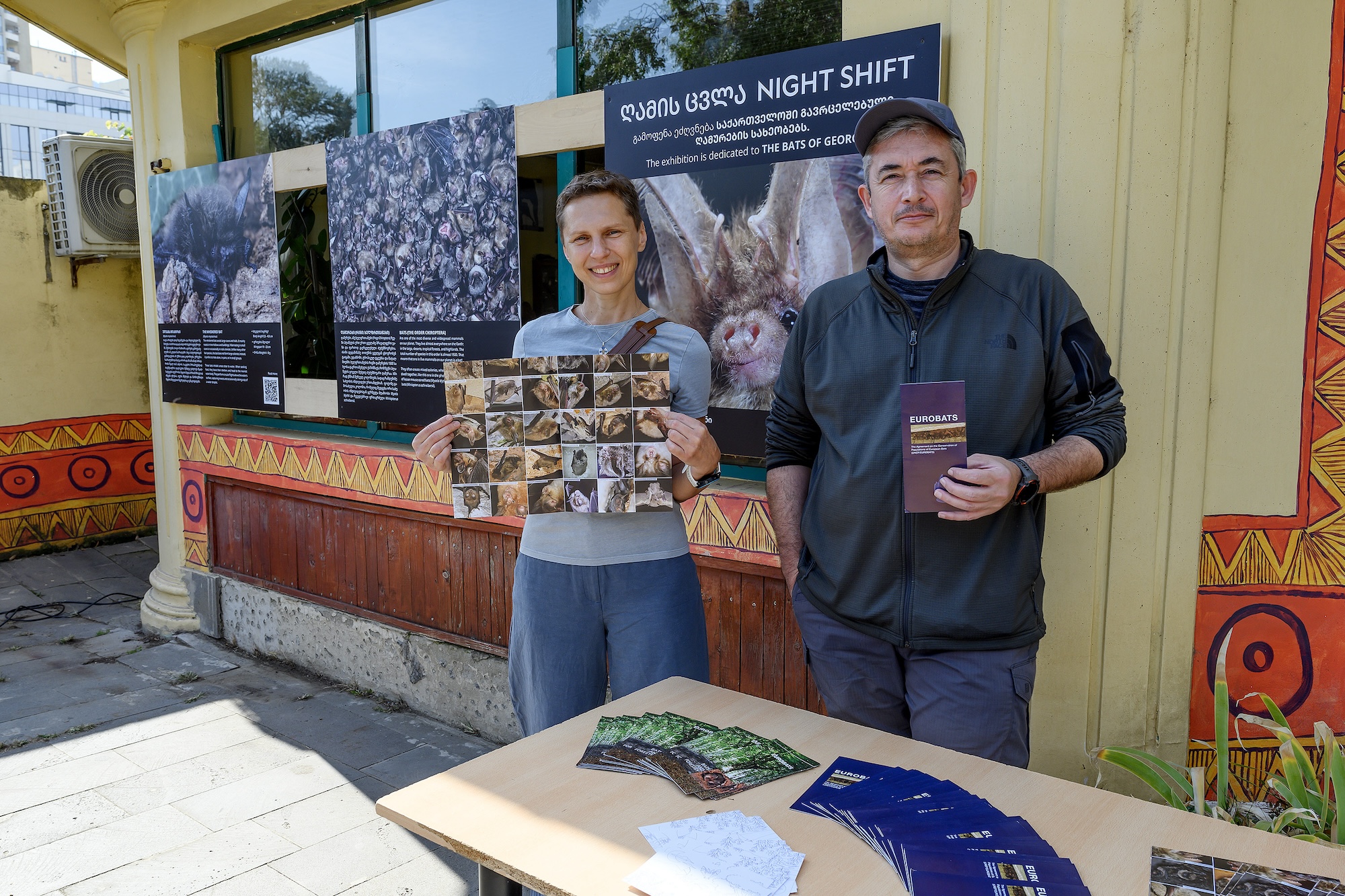
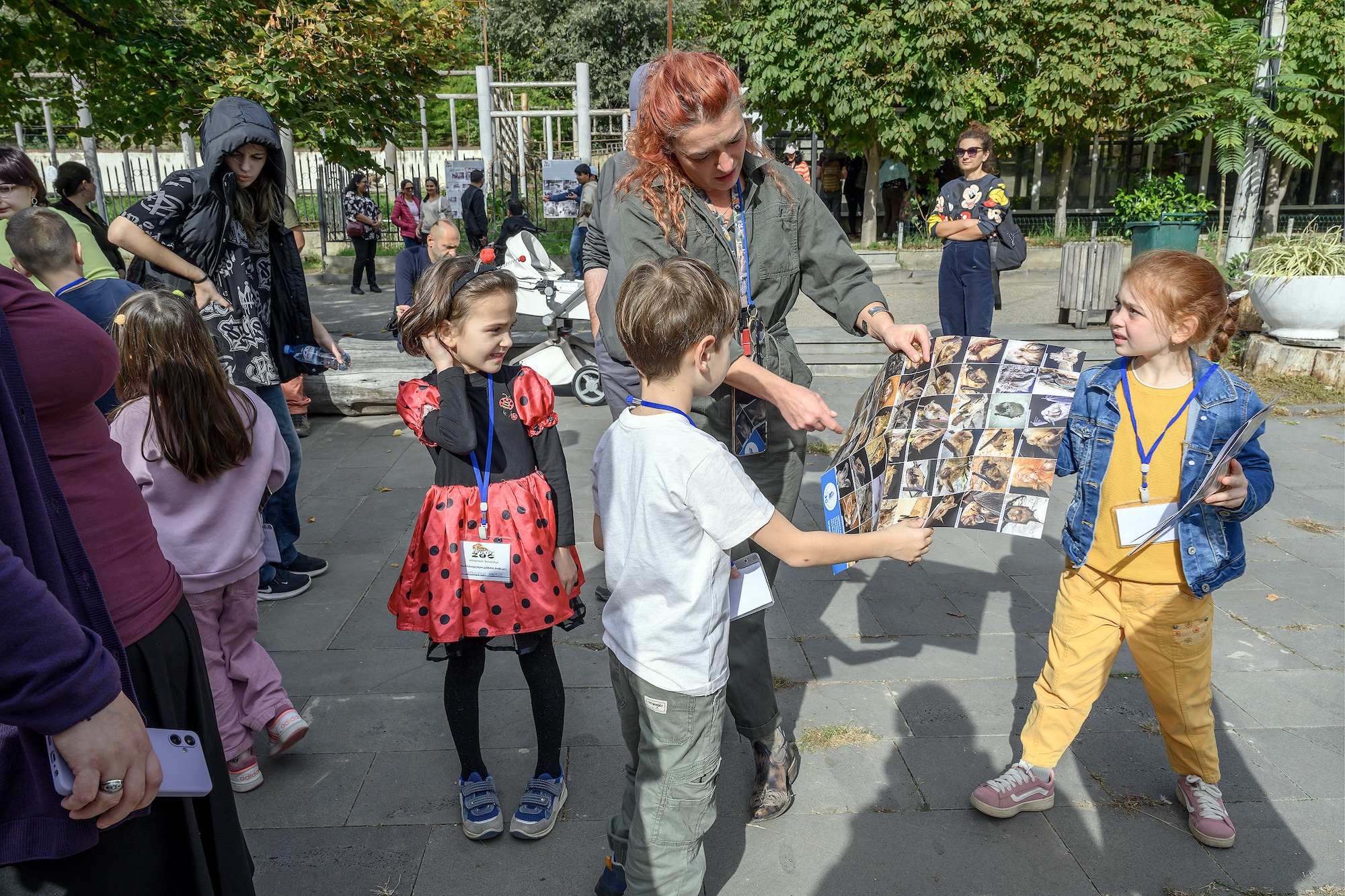
I’m thrilled to share that on October 25, 2025, the Tbilisi Zoo opened our new photographic exhibition, “Night Shift: Bats of Georgia.” The project is the result of a year-long collaboration between National Geographic photographer Viktor Lyagushkin, me, and the Ilia State University bat research group — a team whose dedication and fieldwork made these images possible.
The opening brought exactly what we hoped for: children peering at the prints with bright curiosity, asking thoughtful questions, and a room full of people discovering that bats are neither monsters nor omens — but essential, intelligent, astonishing creatures.
We were honored to have Ketevan Chumburidze, Editor-in-Chief of National Geographic Georgia, speak at the event and welcome visitors.
Georgia is home to more than 30 bat species — meaning one in every four mammals in the country is a bat. Yet misconceptions remain widespread. Many of us have seen bats in darkness but never truly looked at them. This exhibition invites the opposite: to see their elegance, their precision, their ecological importance, and their quiet presence in the Caucasus night.
Through Viktor’s photographs and the scientific work of the ISU team, our goal is simple: to replace fear with understanding and to introduce the public to one of the most misunderstood groups of animals in Georgia.
The exhibition is supported by the National Geographic Society, the EUROBATS Project Initiative, and the Tbilisi Zoo.
📍 Location: Tbilisi Zoo, next to the Children’s Educational Center The exhibition remains open to all visitors.
I recently had the most unexpected and joyous experience during my travels. On the vibrant streets of Tbilisi, Georgia, I stumbled upon something that truly warmed my heart.
As I wandered through the city, I noticed the first page of my bat story for National Geographic Magazine – Georgia displayed on the wall of a charming house! It’s not every day that a writer gets this delightful surprise to see their work showcased in such a public and artistic manner. This reminds me that Storytelling is the most powerful tool ever; it can transcend borders, connect people, and change the world.
I am grateful for the opportunity to share my stories and hope that this small moment can inspire others to appreciate the magic found in unexpected places.
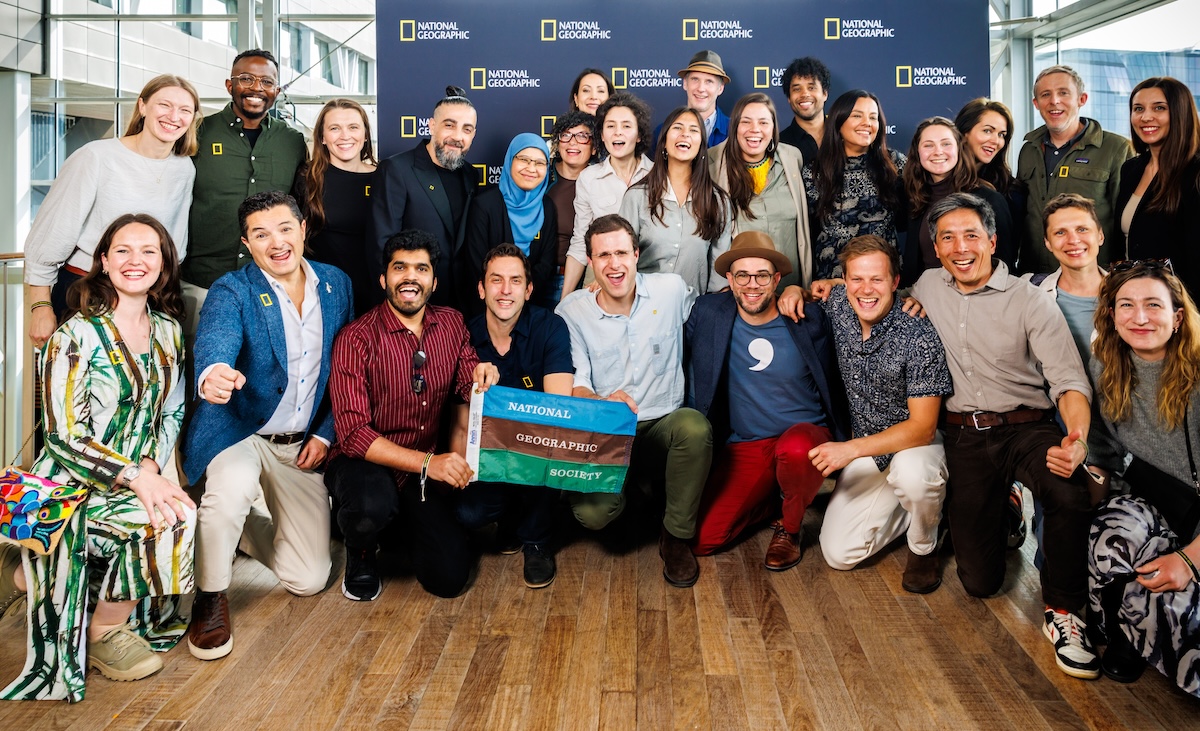
I recently had the fantastic opportunity to attend the National Geographic Summit in Amsterdam, and it was truly an inspiring experience! The main stage program showcased a wealth of thought-provoking discussions and innovative ideas that resonated deeply with me. Thank you, amazing Esther Horvath, Iva Njunjic, and others! You were incredible!)
One of the highlights was reconnecting with my old friends and colleagues, the incredible National Geographic Explorers. Lana Tannir, Patricia Pecnerova, Valeriia Kolodezhna—I was so glad to see you again and listen about your projects from your very hands!) It was heartwarming to share stories and experiences, reinforcing the strong bonds we’ve built over the years. I also enjoyed making new friends who share my passion for exploration and conservation. Phoebe Griffith, I am eager to know more about your crocodile tails tales!)
What excites me the most is the potential for future collaborations that emerged from our conversations. I returned home with several ideas I look forward to developing into impactful projects.
I am looking forward to our new adventures together! The journey of exploration continues, and I can’t wait to see where it takes us next.
I’m excited to share some insights on overcoming writer’s addiction, inspired by our recent conversation in Croatia at the National Geographic Explorers Hub Meet-Up. We had a fantastic discussion about the challenges of overwriting and the dangers of burnout.
Here are four powerful strategies to help you break free from this cycle and cultivate a more sustainable writing practice in Bogdana Vashchenko’s Science Storytelling blog:
I’d love to hear from all of you! What are your go-to strategies for avoiding burnout in your writing journey? Let’s uplift each other and cultivate a sustainable writing practice!
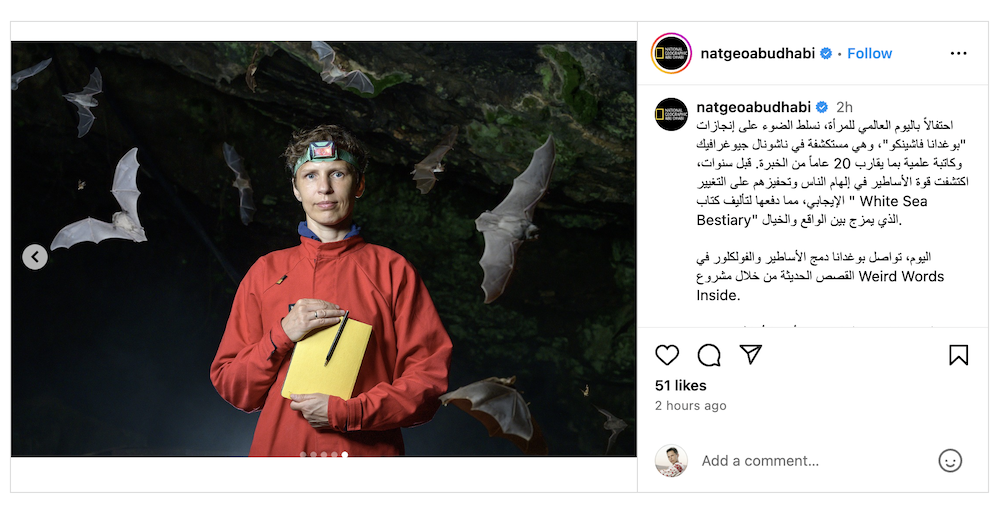
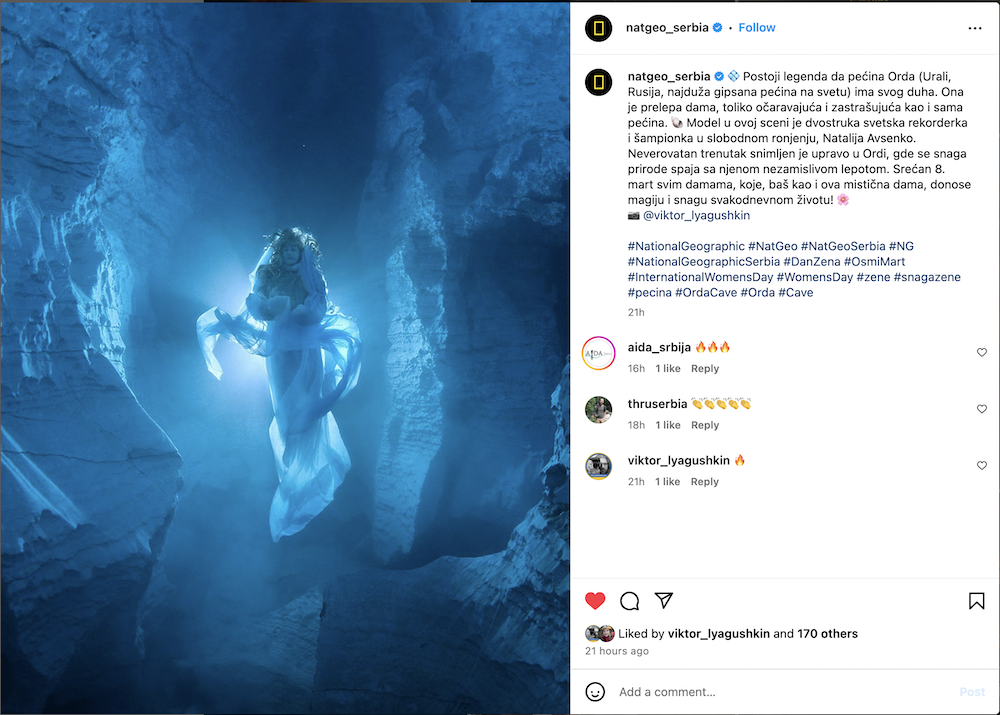
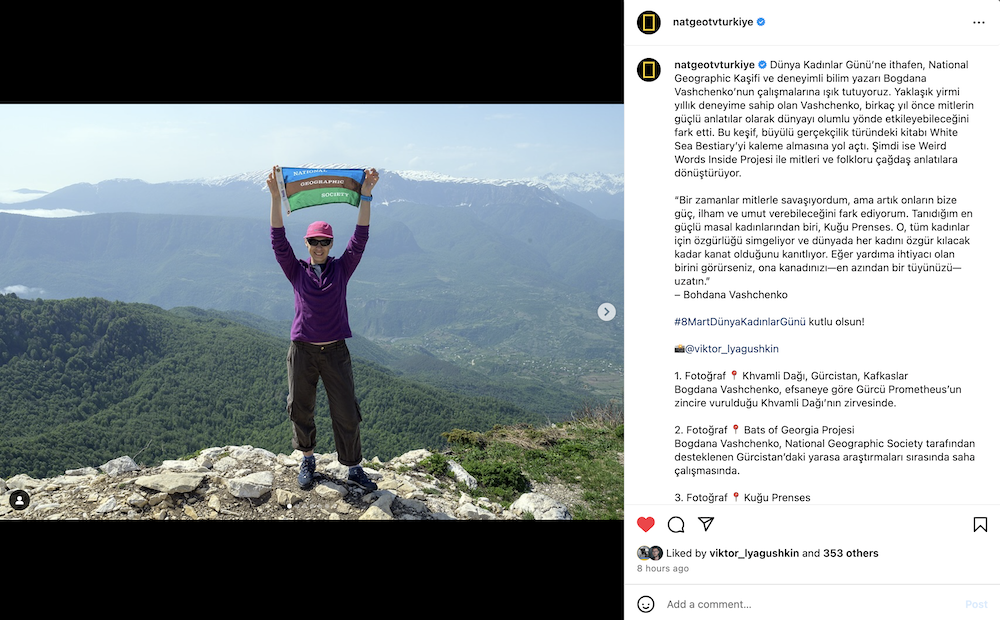
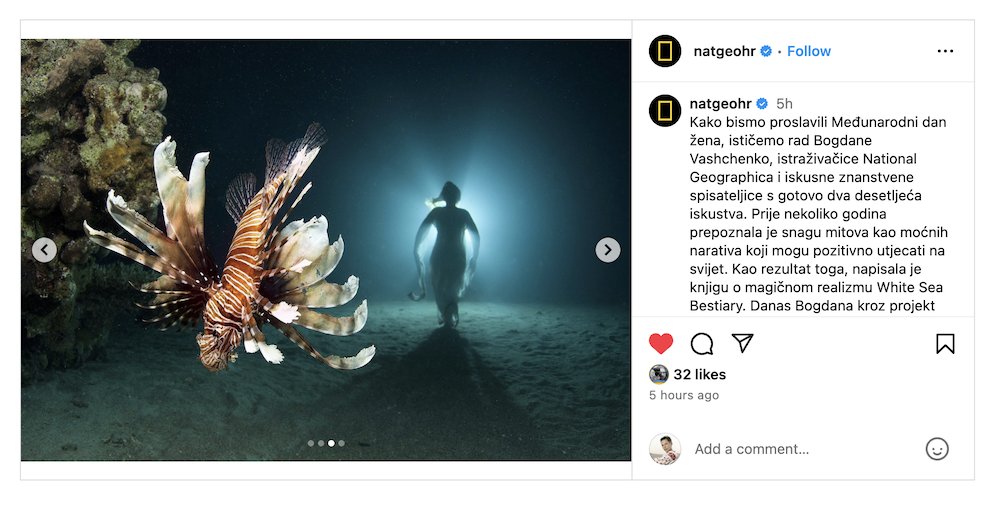
We are excited to share the remarkable work of Bogdana Vashchenko, a National Geographic Storytelling Explorer, along with the talented photographer Viktor Lyagushkin. Their collaboration was recently featured on the Instagram pages of National Geographic Croatia, Turkiye, Abu Dhabi, and Serbia in honor of International Women’s Day.
On this occasion, Bogdana reflected on legends about winged women, such as the Swan Princess. She shared, “The meaning of these legends is that there are enough wings in this world to set us free. If you see another person in need, lend them your helping wing—at least one feather.”
Every voice matters, and every act of kindness is significant.
Bogdana and Viktor’s partnership showcased powerful stories of women from various cultures, combining stunning visuals with meaningful narratives that resonate deeply. These posts emphasized the importance of women’s struggles for identity and equal rights, inspiring us to appreciate the diverse experiences of women around the world.
I am thrilled to share our work in the final issue of National Geographic Magazine—Georgia for 2024. In this article, I showcase the inspiring journey of the Ilias State University of Georgia researchers team as they successfully located and captured the greater noctule bat (Nyctalus lasiopterus), a species that has eluded Georgian scientists since 1971!
Text by: Bogdana Vashchenko Photography by: Viktor Lyagushkin