Whale Petrovich

Whale PetrovichDuring our expedition to White sea, where we did a surprising discovery, Viktor made a shot of a 20 year old white whale named Petrovich. The beluga basked in the spring sunshine and was happy about spring coming.

The photo of whale Petrovich became popular; image with some info on white whales was published in National Geographic Russia Magazine (June 2013) and won the Best Edit Award from the National Geographic Headquarters! Congrats Viktor!

Blue Lake Story in the Polish Diving Magazine

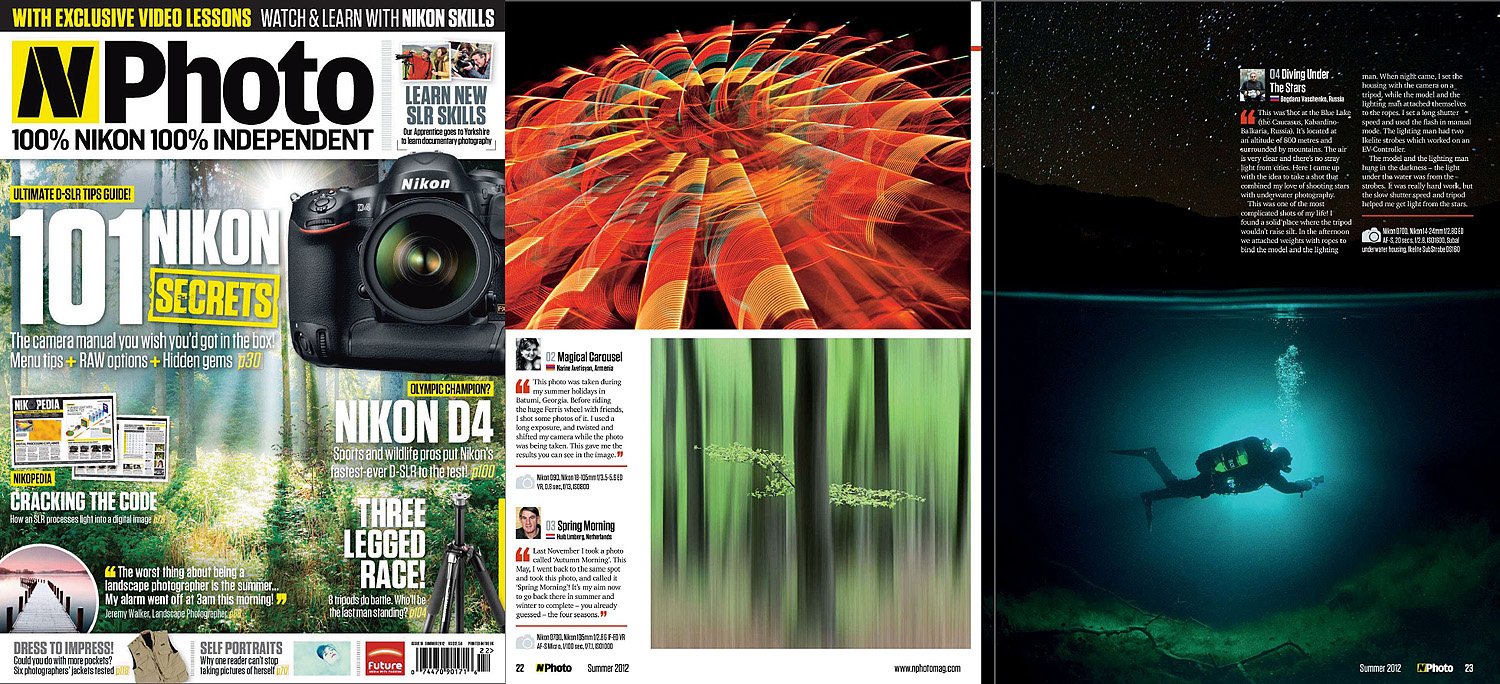
Blue Lake Project Good news for our followers from Poland: article about Blue Lake Project in the Diving Polish Magazine “Nurkowanie” #3 2013. Eight two-page spreads!

“Gdzieś na południu Rosji wznoszą się strome skały, a wysokie góry oślepiają bielą. Rozdzielają je ponure kaniony, którymi pędzą szalone rzeki. Kaniony musiały ustąpić pod naporem wody, więc rzeki stawały się coraz szersze i wypływały swobodnie, przecinając zielone łąki i lasy. Oto Kaukaz.”

Natalie Avseenko became Freediving Instructor-Trainer SSI

Natalie Avseenko Freediving Instructor Trainer SSIOur congratulations to our team member, our heart and conscience, twice world champion in freediving Natalie Avseenko, who became Freediving Instructor Trainer SSI at 20 May 2013.

Great job, Natalie! We are so proud of you!

Note: 5000 or more freedive sessions have been done by her, as the card reads. Just imagine, what does it mean!

Ice Cave Spherical Panorama

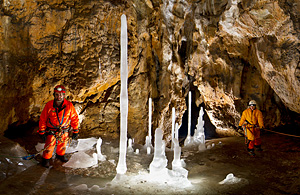
Mariinskaya caveMariinskaya cave. Urals, Russia

The team of speleologists descended the cave to monitor the state of the glacier.

The cave is covered with ice all year round. Relict cave glacier records climate changes, keeping centuries in its memory. Also bones of cave bear had been found in the cave.

Camera Nikon D3x, 12 strobes Nissin Di866. radio controls Flama.
Speleologists: Igor lavrov, Bogdana Vashchenko, Alexander Chemodanov, Natalia Chemodanova, Eugenia Suzdaleva, Nikolay Ushakov.

Photo by Viktor Lyagushkin
Continue reading

National Geographic Traveller Photo Contest

Yay! This needs no comments! Magic World of Blue Lake photo by Viktor Lyagushkin wins  week 3 National Geographic Traveller Photo Contest

Mild Radiancy of Stoneworts Algae

Mild Radiancy of StomewortsStoneworts — an ancient class that combines the attributes of algae and higher-order plants — serve as a source of food for waterfowl, especially during autumn migrations.
Wrapped in a weightless veil of cladophoraceae algae —
poetically named mermaid’s hair — stoneworts adorn this 260-meter-deep karst lake, their mild radiancy juxtaposed against the gloomy rock walls of the deep. When exposed to sunlight or strobes, stoneworts start to shed their own light. This phenomenon is known as photoluminescence, and lasts for only a fraction of a second.

HOW I GOT THE SHOT I used a Nikon D3s, 60mm, f/2.8, Subal housing, and two Ikelite DS160 substrobes mounted on the camera.

Where: Blue Lake, Kabardino-Balkaria, Caucasus, Russia
by Viktor Lyagushkin

Look Section, Scuba Diving Magazine (USA) March/April 2013

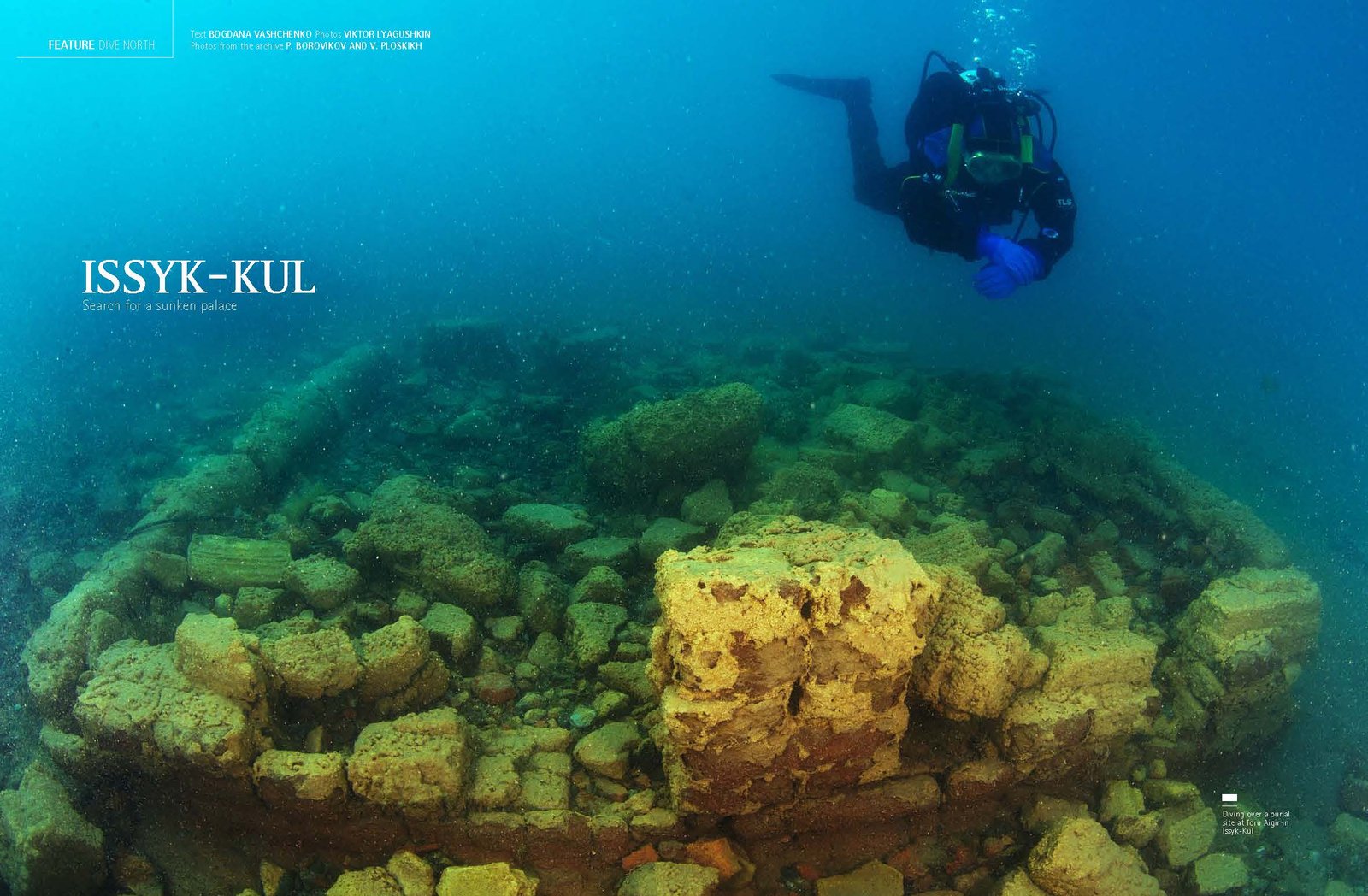
Issyk-Kul: Search for Sunken Palace

Sunken PalaceA big 9-page piece about history of underwater archaeology at the Issyk-Kul lake in Asian Diver Magazine, 2012, Issue 6, Volume 123

“The history of Lake Issyk-Kul is littered with secrets. It is said that nearly 1,500 years ago, a Chinese Buddhist monk went on a pilgrimage to India. Overcoming difficulties and dangers, the traveller came to a big lake about four miles into the mountains. This was the Issyk-Kul Lake, sitted amidst mountains and taking income from numerous rivers. The monk described the lake as being greenish-black, salty and bitter. Its sweeping waves would at times rise and attack the shore with irresistible force. The lake, said the monk, is home to dragons and fish, and sometimes, extraordinary monsters appear from the depths. That’s why travellers pray for others and their own welfare. While the inhabitants of the lake are numerous, no one dares to catch any.
But it is impossible to quash human curiosity and the thirst for knowledge. Since the 19th century, Russian scientists have been studying the ancient remains around Issyk Kul, which range from petroglyphs and 3,000-year-old kurgans (nomadic burial mounds) to early Christian monasteries and medieval cities. The lake itself also drew attention from researchers pertaining to certain remains that lie beneath its stunning cobalt waters.”